If you’ve never worked with a commercial photographer before, it’s completely normal to walk in expecting something similar to a portrait or family session.
Show up, be guided through the process, and walk away with a gallery of images.
And while there are elements of that experience here, commercial photography, especially in the food and beverage space, is something entirely different.
It’s not simply a session. It’s a collaborative, strategic production designed to create visuals that support your business long after the day is done.
Before cameras come out, there are conversations about your goals, your audience, how your visuals will be used, and what story your brand is trying to tell. Depending on the project, there may be creative planning, mood boards, styling support, location scouting, product preparation, or team collaboration happening behind the scenes.
If you’re preparing for your first brand session, here’s what to expect and what might feel different.
It’s Not Just a Session: It’s a Production
One of the biggest shifts is what happens before the camera even comes out.
Commercial photography includes a full pre-production phase, and often starts well before a contract is signed.
Typically, the process begins with an inquiry and discovery call where we discuss your business, goals, offerings, audience, and how imagery will support where your brand is headed. Before we even meet, I spend time researching your business, reviewing your current visuals, and preparing thoughtful questions to make sure our conversation is productive and aligned.
From there, we move into planning.
That can look like creative direction, visual references, image list planning, licensing conversations, proposal development, and aligning on how your brand will be represented visually.
Depending on the scope, there may also be additional collaborators involved, such as stylists, assistants, creative partners, or studio rentals. Some projects involve prop sourcing, location scouting, lighting tests, or product shipments delivered ahead of time so we can inspect for imperfections and prepare thoughtfully.
This is not about showing up and seeing what happens.
It is about building something with intention from the very beginning.
Time Is Structured Differently
In portrait sessions, time often flows continuously; moving from one moment to the next with minimal interruption.
In a commercial setting, time is more structured.
There are pauses for styling adjustments, lighting changes, and resetting the scene. A single image might take time to refine, because it’s being created with a specific purpose in mind.
You’ll likely walk away with fewer images than you would in a portrait session, but each one is created with depth, clarity, and long-term use in mind.
You’re Not the Subject, Your Product Is
In family or portrait photography, the focus is you.
In commercial food and beverage photography, the focus shifts to your product, your ingredients, and the environment that tells your story.
That doesn’t mean you won’t appear in your images, you might. But when you do, it’s in support of the brand narrative, not as the central subject.
The goal is to create visuals that reflect how your work exists in the world, not just how it looks in a single moment.
Creative Direction Replaces Posing
Instead of being guided through poses, you’ll be guided through intention.
What does this product feel like?
Who is it for?
What experience are we inviting someone into?
For food and beverage brands especially, storytelling matters. We are not simply documenting what something looks like. We are helping people understand how it feels, tastes, smells, and fits into someone’s life.
This often starts long before session day.
You may receive mood boards, visual references, or art direction concepts that help shape the look and feel of the imagery. We may discuss textures, ingredients, color palette, lighting style, props, surfaces, or how your visuals should align with your website and marketing materials.
Sometimes there are test shoots for lighting or styling. Other times, we collaborate around sourcing ingredients, selecting supporting objects, or building environments that feel aligned with your brand.
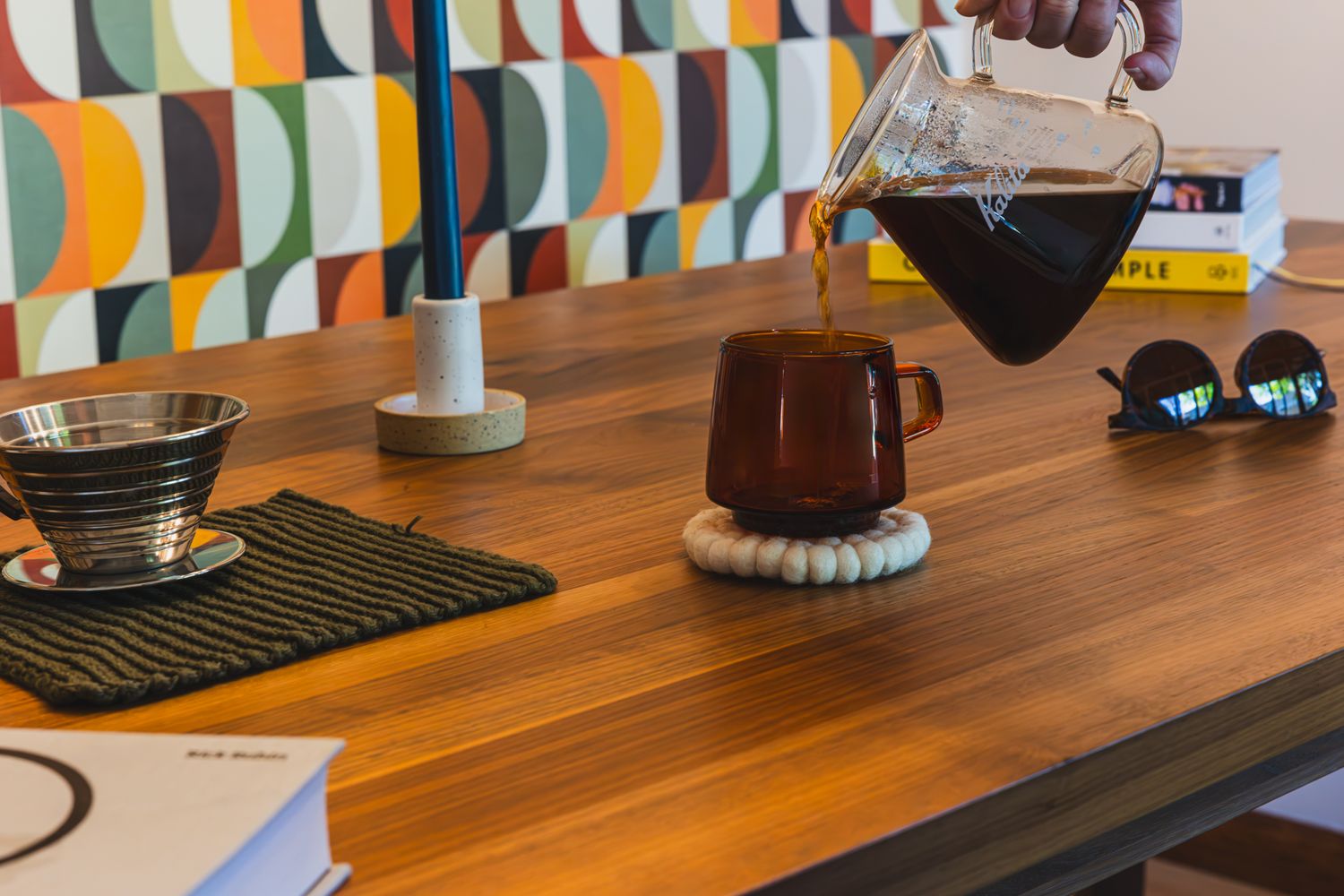
If you are appearing in the imagery, you may be asked to move naturally, interact with ingredients, pour, plate, garnish, prepare, or simply exist within your space in a way that feels authentic.
Nothing is overly posed, but very little is accidental.
Everything is grounded in a larger visual strategy designed to support how your business shows up in the world.
Usage Licensing Is Part of the Process
One of the most unexpected differences for many clients is how images are delivered and used.
In portrait photography, images are often provided with broad personal use. Commercial photography works differently because your visuals are functioning as business assets.
Your images may live on your website, social media, email marketing, packaging, advertisements, wholesale materials, or press outreach. Because these uses carry different levels of visibility and impact, image usage is discussed intentionally from the beginning.
This is where usage licensing comes in.
Licensing helps ensure the imagery being created aligns with how your business actually plans to use it, both now and in the future. During our discovery conversations, we discuss where your visuals will live, what goals they are supporting, and what future growth may look like so proposals can reflect your actual needs.
If your business evolves, your licensing can evolve too. Many brands revisit usage over time as they expand into new markets, retail partnerships, advertising campaigns, or editorial opportunities.
If all of this sounds unfamiliar, that is completely normal.
Licensing is one of the most misunderstood parts of commercial photography, and part of my role is helping you understand what supports your business best so you can move forward with confidence and clarity.
To read more, visit my last blog.
Investment Reflects Scope, Not Just Time
Commercial photography pricing isn’t based solely on how long the session lasts.
It reflects the full scope of work, including:
Creative planning and direction
Production time
Editing and refinement
Usage licensing
This is why commercial sessions often look different from portrait pricing. You’re not just investing in images, you’re investing in a visual library designed to support your brand across multiple platforms.
Collaboration Doesn’t End When the Session Does
The relationship does not stop when we wrap.
After session day, there is still meaningful work happening behind the scenes.
Images are carefully backed up, reviewed, proofed, retouched, and refined before final delivery. Depending on the project, you may receive contact sheets or proofs to review, select final images, or provide feedback before retouching begins.
Once your final gallery is delivered, there is often continued conversation around implementation, how images are being used, and what gaps may still exist in your visual library.
For many brands, this becomes an ongoing relationship rather than a one-time project.
Seasonal product launches, updated packaging, refreshed menus, new offerings, editorial opportunities, or shifts in marketing often lead to future sessions that build on the visual foundation we have already created together.
I also believe good partnerships extend beyond the work itself.
That may look like check-ins, celebrating milestones, tracking licensing renewals, revisiting content needs, or simply making sure your visuals continue supporting your business in the ways they were intended to.
Commercial photography works best when it grows alongside your brand.
If this feels like a shift, that is because it is.
Commercial photography is designed to meet your business where it is while helping support where it is headed.
It is thoughtful, collaborative, and built around strategy as much as visuals.
Yes, there is a session day, but there is also discovery, planning, creative direction, logistics, production, communication, refinement, and long-term support woven throughout the process.
My role is not simply to take photographs.
It is to understand your business, help translate your goals into intentional visuals, and create imagery that continues working for you long after our time together.
If you are stepping into your first commercial session, you do not need to have everything figured out.
You do not need to know exactly what props to use, how many images you need, what licensing means, or even how to prepare.
That is what the collaborative process is for.
You simply need a willingness to share where your business is today, where you hope it is headed, and openness to building something intentional together.