Making my first
few mocktails has been cold, sticky, and messy in all the best ways. I've been splashing juice across the counter, knocking ice cubes under the fridge, and digging citrus zest out of my fingernails. It’s been a ride—and I mean that in the most hands-on, deeply personal way.
I’ve been making cocktails since I was a child. Yeah, you read that right. Tiny me, standing on a stool, mixing drinks for grown-ups like it was totally normal. It’s one of the reasons I’m sober now.
I wasn’t taught to cook with measuring cups or structured recipes. In our house, it was always a dash of this, a sprinkle of that, a taste here and there. My mom didn’t rely on cookbooks; she cooked from instinct, from memory, and from whatever was in the kitchen. That approach carried over to her cocktails, too. She didn’t need a cocktail recipe book. Her weekend or after-work drink was just another thing she threw together by feel. And I got really good at making them for her.
Transitioning to Sobriety
In my twenties, I loved hosting. I loved making drinks for my friends, watching them laugh and loosen up as the night unfolded. I felt confident behind the counter, in control with a shaker in my hand. But alcohol slowly took up more space than I wanted it to. And that’s when things began to shift.
I’ve been sober for five years now. For a long time, I couldn’t even look at cocktail glasses. It felt too close, but something about this past summer made me pause. I found myself craving a margarita, my first real craving since I stopped drinking.
That craving caught me off guard. But instead of pushing it away, I sat with it.
I realized I didn’t miss the alcohol. I missed the ritual of the clink of ice, the cool glass, the flavor, the moment of refreshing escape in a tall, frosty drink shared with others.
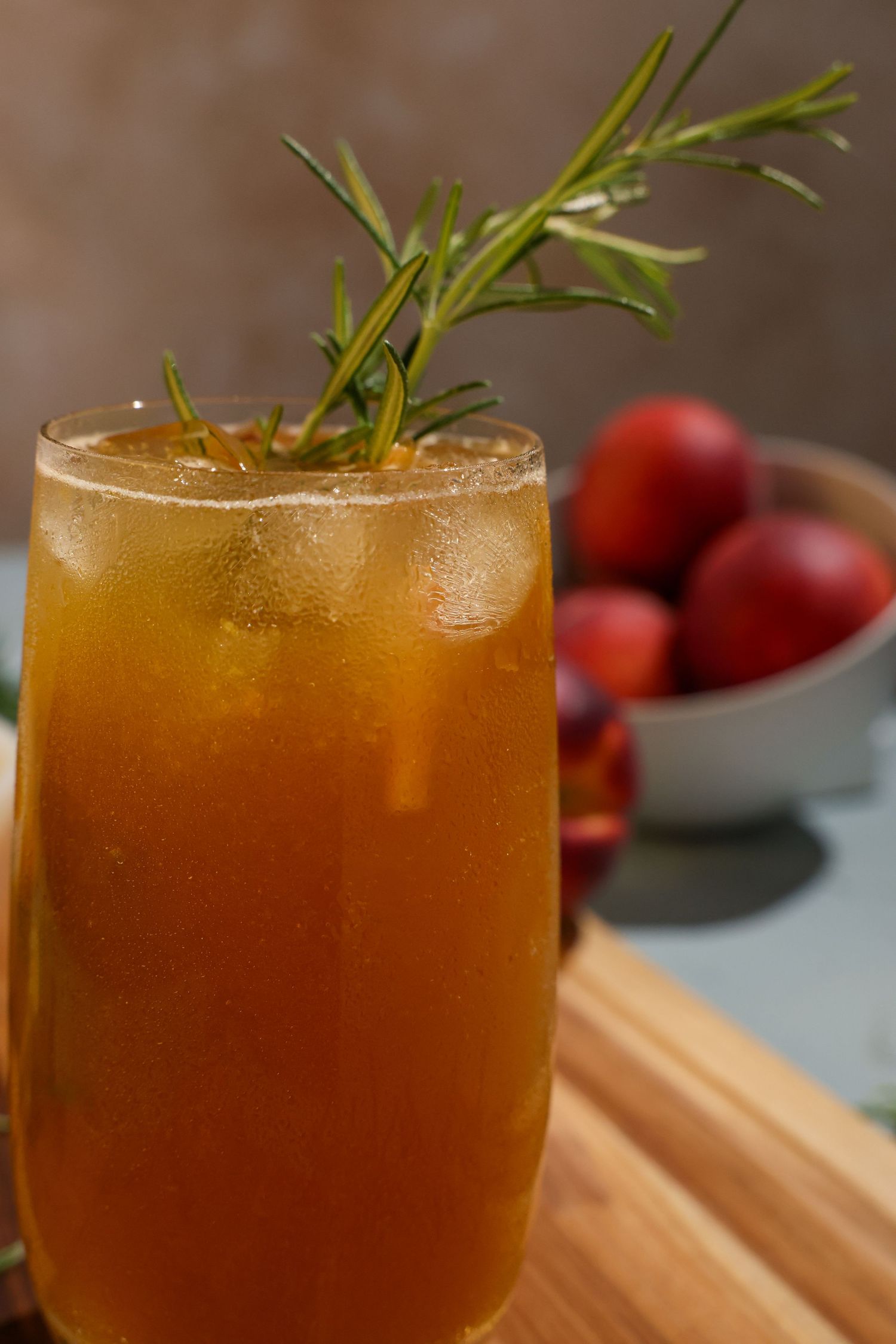
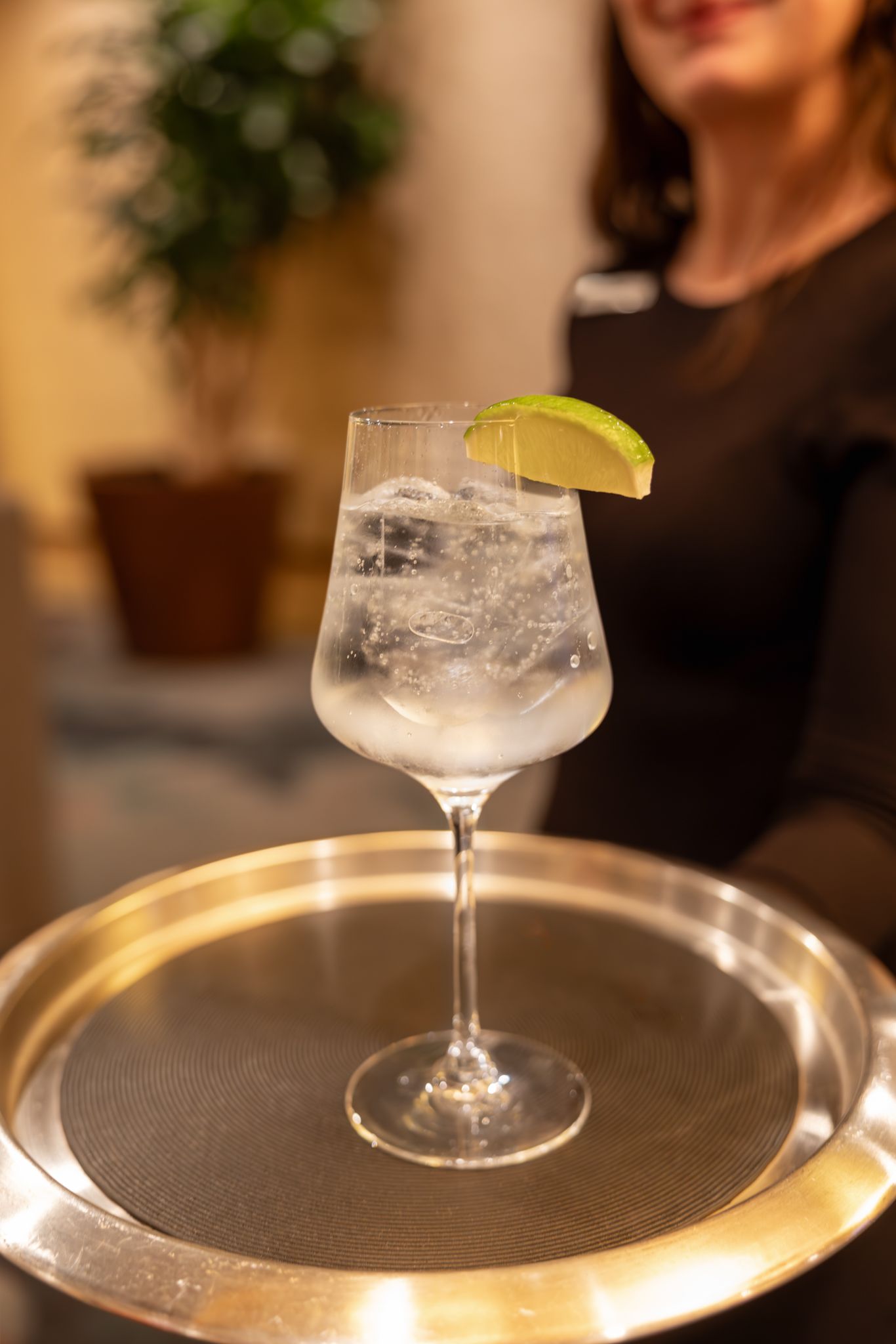
I’ve started to reclaim that experience in a new way.
Being sober and working in food and beverage photography has made me rethink how I connect with drinks. Thankfully, I live in Portland, where the sober and sober-curious communities are thriving. Non-alcoholic drinks, CBD spritzers, and elevated zero-proof beverages are taking up more shelf space and showing up at more events. It’s been the perfect environment to dust off my old skills.
Now, I’m relearning everything: measuring in grams and ounces, balancing acidity and sweetness, curling rhubarb, candying citrus slices. I'm in the kitchen, sticky with agave and citrus, then running into the studio to test the visual texture of the garnish and condensation on glass.
Making mocktails is more than just a hobby: it’s healing. It’s helped me reconnect with parts of my childhood that were once painful. There’s something restorative in creating something beautiful, delicious, and celebratory without the thing that used to hurt me.
I’m having such a fun sober time. And I’m just getting started.
Making a peach purée for the first time was… peachey!
When I stepped back into photography with a new area of focus, I knew there’d be growing pains, and some pretty cool lessons along the way. One I hadn’t anticipated? How often I’d be preparing food and refreshments myself, especially during portfolio building and some of my first projects.
Thankfully, I’ve been in the kitchen since I was a kid and picked up some skills. I mean, I’m still here so I’ve clearly been feeding myself for almost 20 years. By age 12, I was making full dinners and timing them so they’d be ready within 30 minutes of my mom getting home from work. I contributed to family meals with pies, cupcakes, cookies, or appetizers.
When I moved away to college and lived in a dorm, I had to adapt. Campus food didn’t always hit the spot, and there wasn’t always money to eat out. I had food assistance, a hot plate, and a coffee maker. Side note: The number of times I cooked using a coffee carafe... Let’s just say I got creative.
As a teen stepping into young adulthood, I’d say, “The food will taste great, it just might not look like it.” I hadn’t yet learned about food styling or presentation. That changed around the time Instagram became popular. Suddenly, I was eating out more, and the way restaurants plated their food captivated me. I became part of the generation who had to take a picture of everyone’s plate before anyone could take a bite. The camera eats first, am I right?
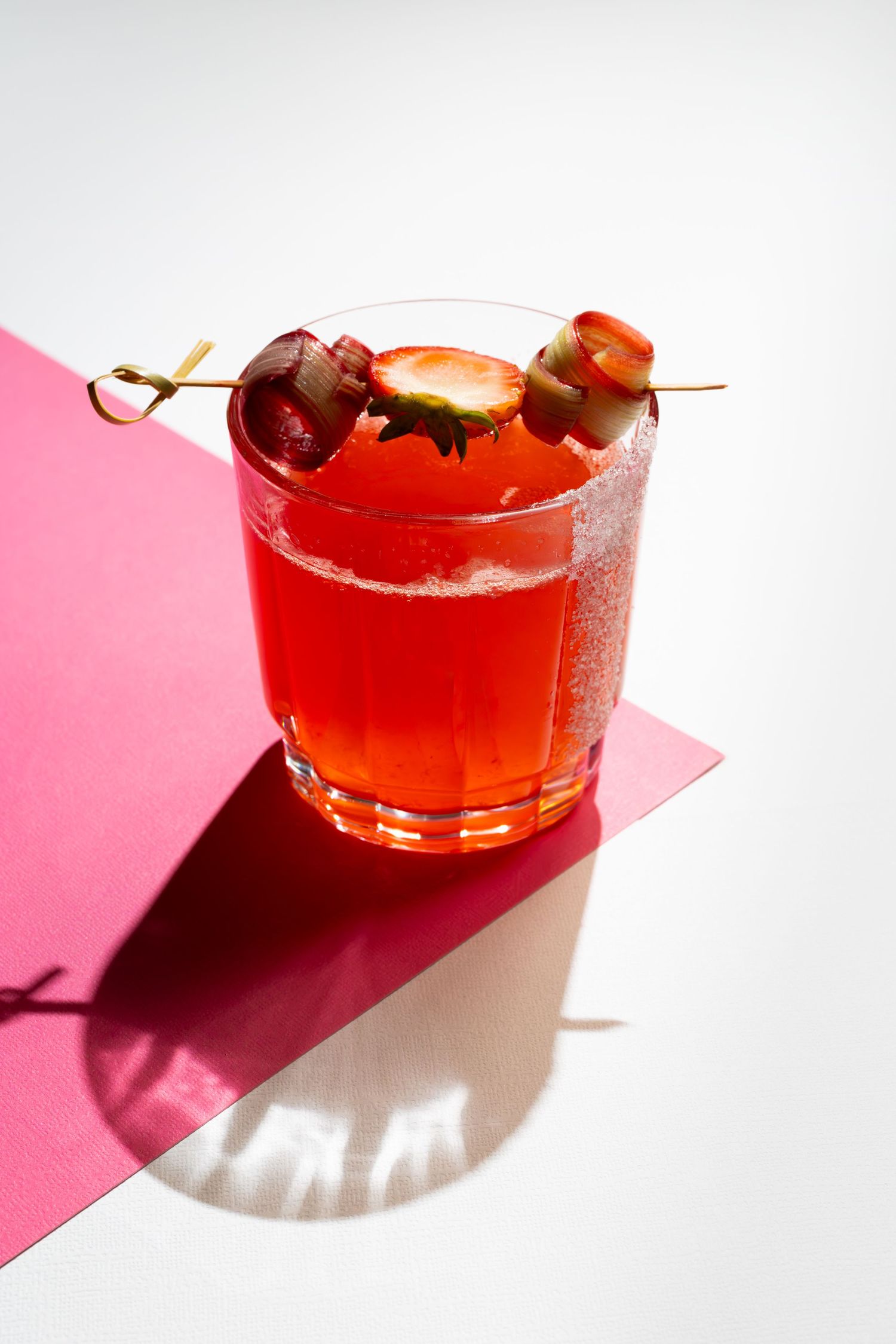
By mid-2020, dine-in was nearly gone, and takeout was booming. Now at home, I had time to actually photograph my food. I learned how to style takeout meals, either by rearranging them in their boxes or carefully transferring them to a plate to preserve the chef’s original vision. I still didn’t realize I’d one day become a Food & Beverage Photographer. I was working as a Collateral Lending Liaison and styling food as a creative outlet during lockdown.
So how does this all tie back to making peach purée?
That humble purée marked a full-circle moment. It wasn’t just part of a recipe, it was the realization that my life had been preparing me for this work all along. Every dorm room meal, every family dinner, every styled takeout box, they were all part of the foundation.
Now, I’m not just making food look good. I’m photographing it to tell a story, evoke a feeling, and reflect the care that goes into each bite. That first peach purée? A sweet (literally and figuratively) reminder that I’m exactly where I’m meant to be: blending all the flavors of my past into this new focus.
This journey is about more than food photography: it’s about honoring the lived experiences that got me here. The quiet evenings spent figuring out how to make something from nothing. The joy of seeing a loved one’s face light up at something I made. The discipline of preparing meals, the creativity of styling them, and the courage to start again in a new direction.
Each session I take on now carries that energy with it. It’s why I approach every image with thoughtfulness and care. Food isn’t just fuel. It’s memory, culture, artistry, and love.
And with every swirl of purée or crumble of garnish, I’m capturing more than a dish.
I’m capturing a story.