Autumn Is More Than a Season. It's a Shift.
I know I’m not alone. As summer comes to an end and children head back to school, I get the urge to do a little purge and reset, almost like spring cleaning at the end of each season. Even in the studio, I find myself reorganizing and bringing fall and winter props, textures, and colors to the front.
You can feel the season shifting around us, too. Dewy mornings return, and the evening wind picks up, cooling off the heat of the day. The pace begins to change, routines shift, and we naturally start reaching for a little more warmth and comfort.
Our businesses can experience that same shift. As seasonal offerings change, so can the way we present them visually.
As temperatures cool, we generally begin seeking comfort, warmth, and familiar seasonal flavors. Cafés are introducing new beverages, restaurants are refreshing their menus, bakeries are unveiling holiday treats, and food brands are beginning to prepare for one of the busiest marketing seasons of the year.
Seasonal photography isn't simply about adding pumpkins or colorful leaves to a scene. It's about creating imagery that reflects what your customers are already craving and reinforces the story your brand is telling.
Why Seasonal Visuals Matter
Seasonal changes give businesses an opportunity to refresh more than their menus. They also create a natural moment to refresh the way those offerings are presented visually. Your customers notice these shifts. When a café transitions from iced summer drinks to warm autumn beverages, a bakery introduces seasonal pastries, or a food brand releases a limited-edition product, those changes create anticipation. Your imagery should help communicate that something new is happening. Fresh, seasonal imagery keeps your website and social media feeling current while giving your audience a reason to stop, look, and engage. It also creates visual consistency across the places your customers encounter your brand, whether that’s your website, Instagram, email marketing, printed menus, or promotional materials.
For example, a fall campaign might feature:
- A new seasonal beverage menu
- Apple cider or spiced drinks made with alternative milk
- Freshly baked pies, pastries, or other seasonal treats
- Holiday gift boxes and curated product collections
- Roasted squash, mushrooms, pears, apples, and other autumn ingredients
- Limited-time products or special menu offerings
These aren't simply beautiful subjects to photograph. They're opportunities to clearly communicate what's new, what's available now, and why your audience should pay attention.
Seasonal imagery can also help distinguish new and limited-time offerings from your everyday products, giving customers a visual cue that something has changed. When customers see a visual that feels distinctly autumnal, they immediately understand that they're looking at something connected to this particular moment in your business.
Perhaps just as important, updated imagery signals that your business is active and evolving. It shows that you're continuing to create, adapt, and give your audience something new to experience.
Autumn isn't just another marketing season. It's often the beginning of businesses preparing for some of the busiest months of the year. The imagery you create now can support not only your fall offerings, but the campaigns, promotions, and opportunities that follow.
Autumn Changes More Than the Ingredients
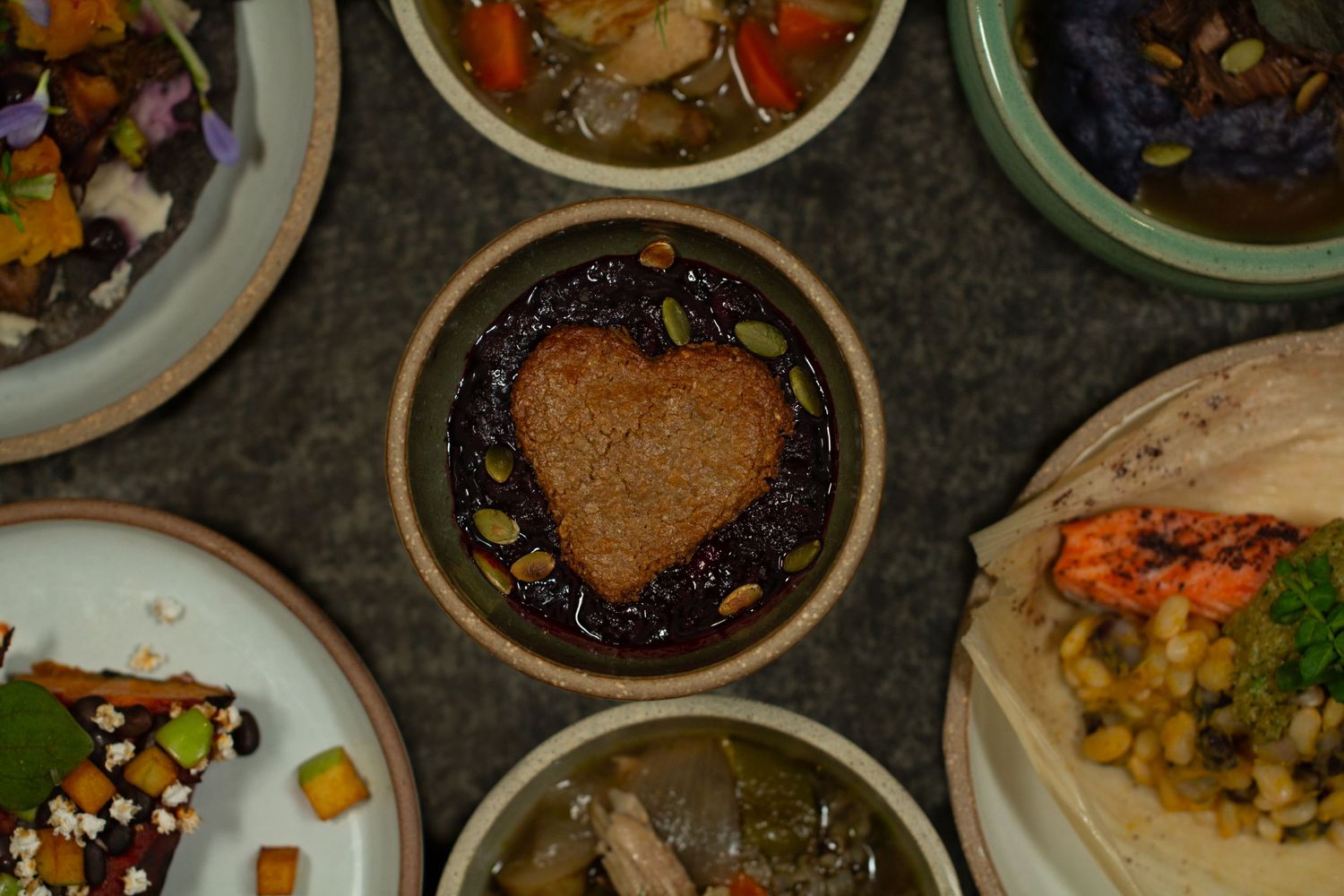
When we think about autumn food photography, it’s easy to focus on the ingredients. Apples, pears, figs, squash, mushrooms, herbs, cranberries, and root vegetables naturally lend themselves to the season. But creating a distinctly autumnal image involves much more than putting seasonal produce in the frame.
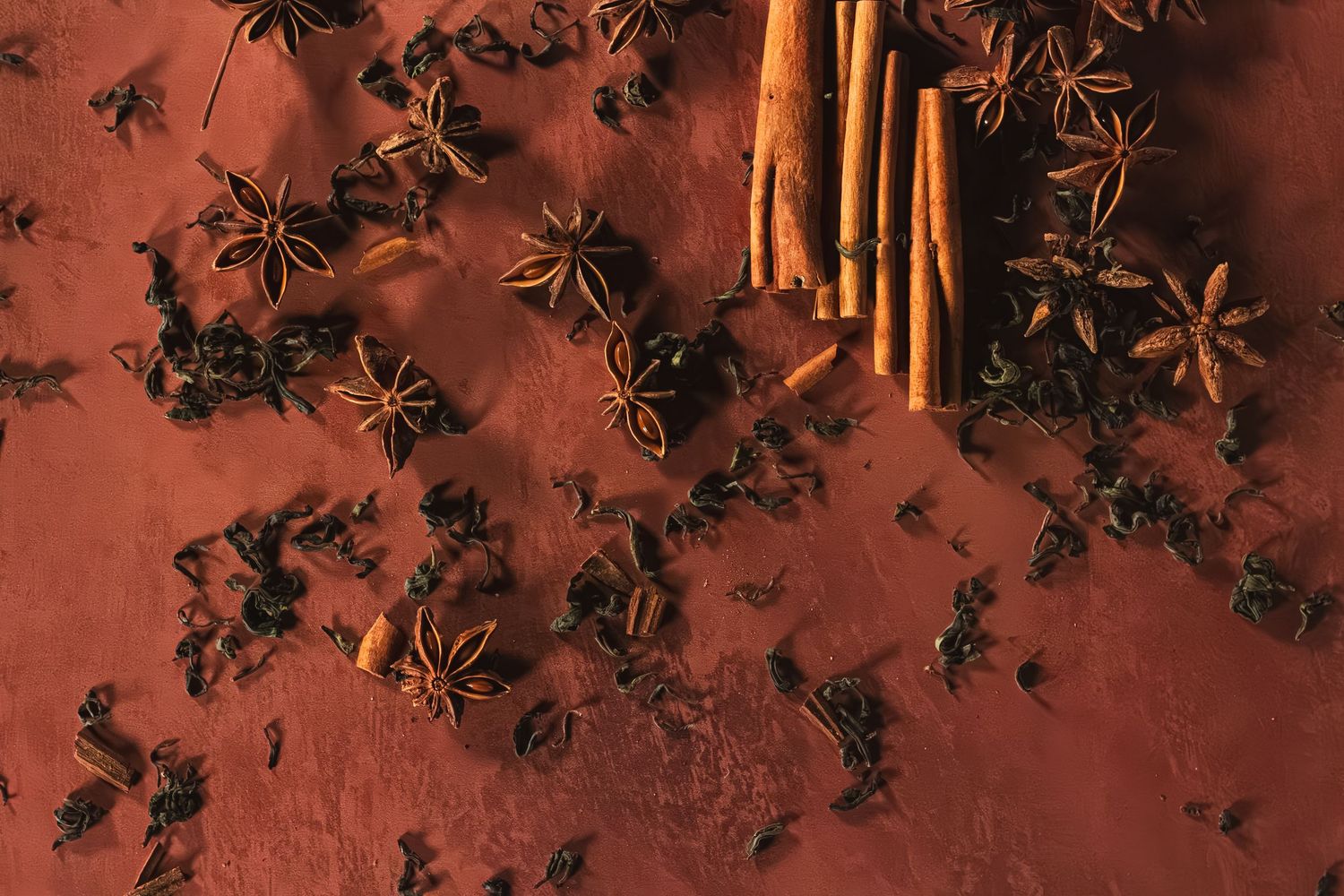
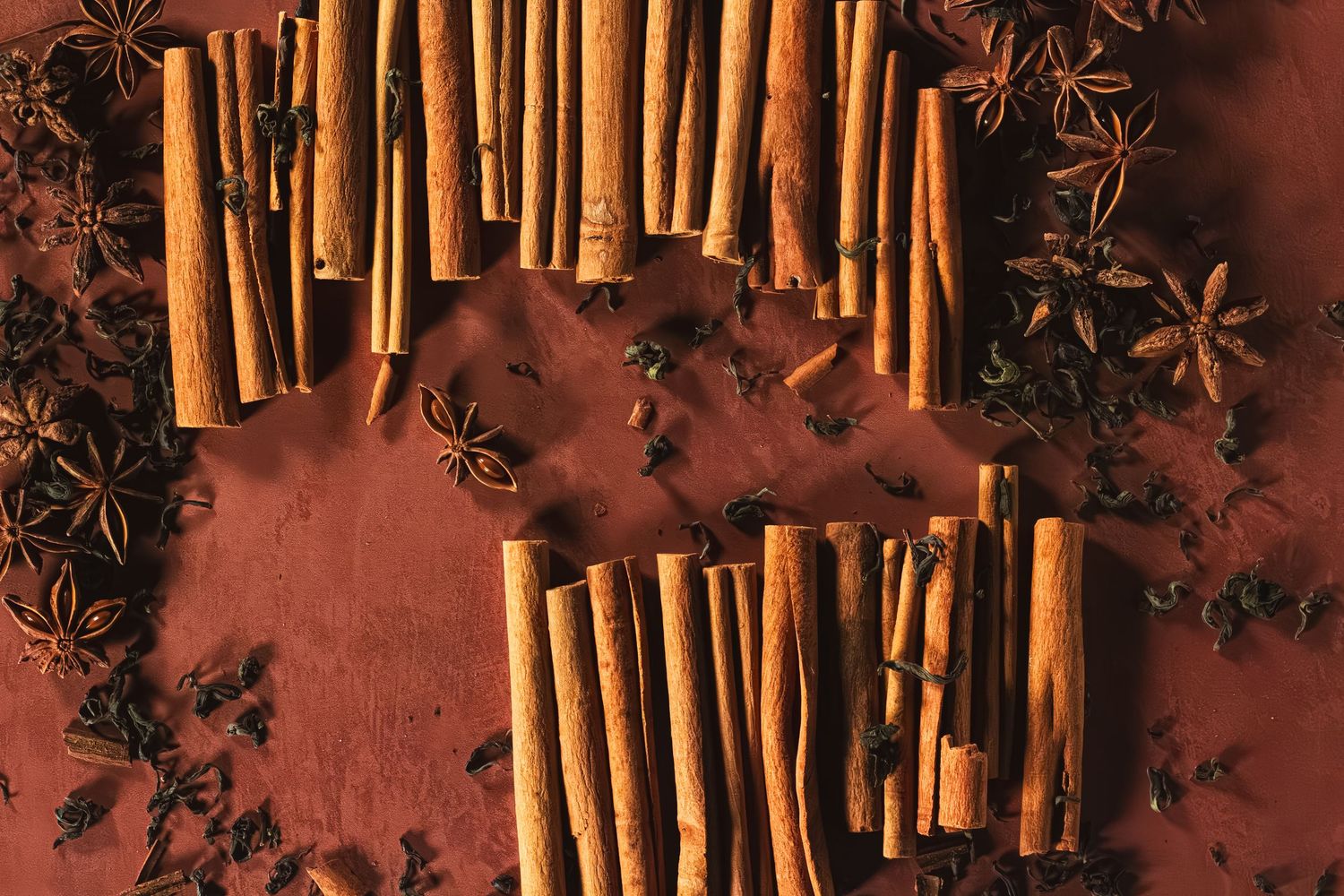
Color plays a significant role. Warm neutrals, amber, rust, burgundy, olive, and forest green can create a palette that feels grounded and intentional. Natural wood, earthy surfaces, and subtle shifts in color can add warmth without making the image feel overly themed or predictable.
Then there’s texture.
Linen, ceramic dishes, handmade pottery, wood, textured napkins, and woven materials can add visual depth and warmth to a scene. These details give the viewer more to notice and can help communicate the personality of your brand alongside the food itself.
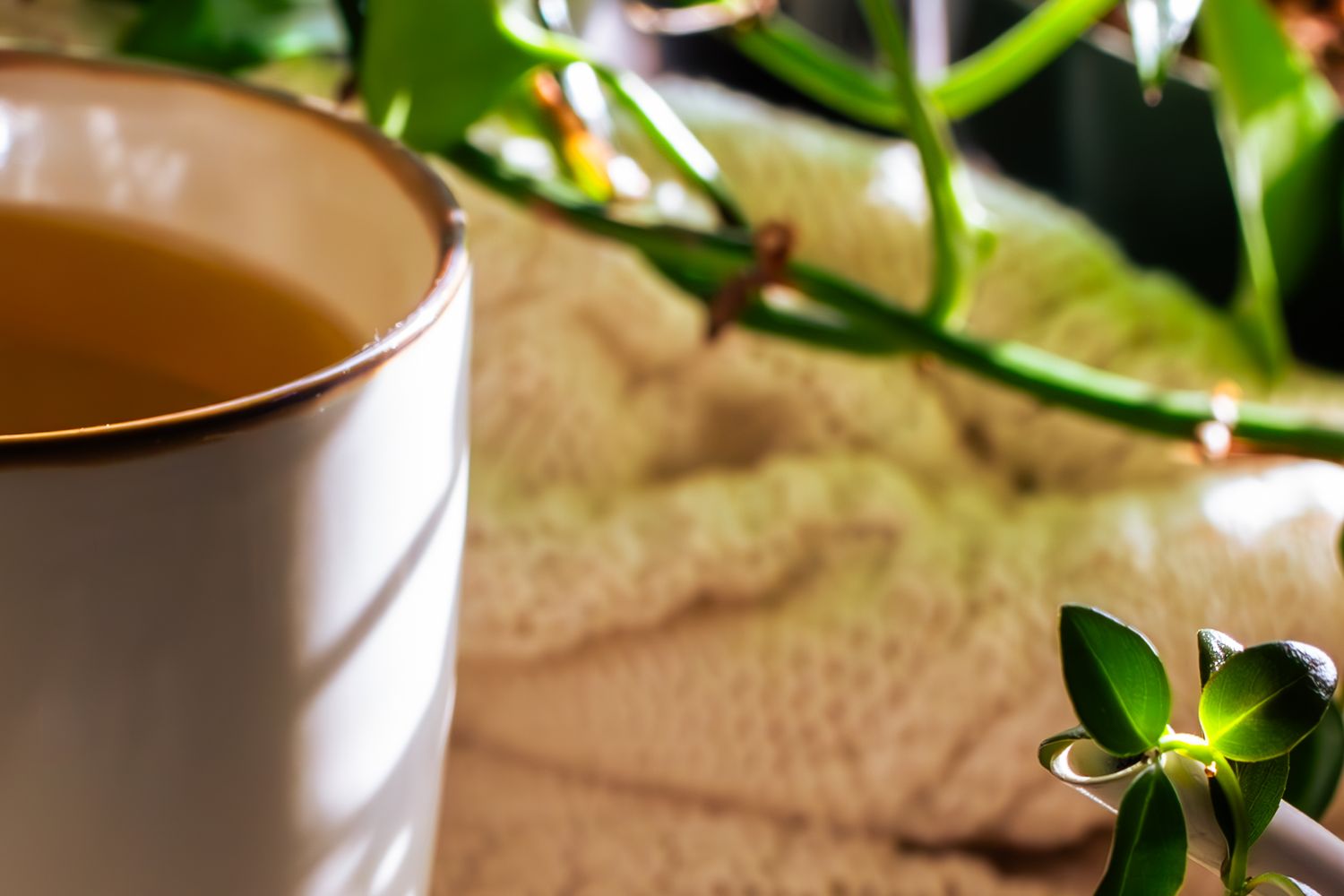
Lighting can shift the mood, too. Softer light, richer shadows, and warm highlights can create an atmosphere that feels intimate and inviting. Depending on the brand and the story we're telling, that might mean a cozy morning at the kitchen table, an afternoon gathering with friends, or a quiet moment with a warm beverage.
The goal isn't to make every autumn image look the same. A coffee company, bakery, restaurant, or packaged food brand may each interpret the season differently.
That's where creative direction becomes important.
Rather than relying on a collection of stereotypical fall props, we can look at what makes your brand feel like autumn. Maybe that's the ingredients you're sourcing, the way your product is enjoyed, the environment it comes from, or the feeling you want customers to associate with it.
Autumn photography is less about decorating for fall and more about creating a feeling.
The right combination of ingredients, color, texture, lighting, and styling can help your audience not only see your seasonal offering, but begin to imagine themselves experiencing it.
Texture Becomes Part of the Story
Autumn naturally brings texture into the food we eat and the way we experience it.
Think about the steam rising from a warm bowl of soup, the flaky layers of a pastry, the foam sitting on top of a latte, or the crisp edges of roasted vegetables. A little syrup running down the side of a stack of pancakes can tell a story. So can a slice of pie with a flaky crust or a loaf of warm bread pulled from the oven.
And sometimes it’s even more familiar than that. Maybe it’s that sourdough you forgot about in the back of the refrigerator that suddenly becomes the perfect starting point for toast with soup on a cool evening.
These details matter in photography because food isn't just something we look at. We experience it through texture, temperature, aroma, and memory.
Photography can't make your audience actually taste or smell what's in front of them, but it can give them visual cues that help their imagination fill in the rest.
- What would this taste like?
- Would that pastry be crisp or soft?
- How warm is that mug in my hands?
- What would it feel like to sit down and share this meal?
This is where styling becomes more than choosing pretty props. The ingredients, surfaces, steam, crumbs, pours, layers, and small imperfections all help create a sense of place and make the image feel more inviting.
For autumn food photography, those details can help transform an image from simply documenting a seasonal offering into one that makes your audience want to experience it for themselves.

Why Customers Emotionally Connect with Autumn
There’s something about autumn that invites us to slow down.
After the longer, busier days of summer, routines begin to shift. School starts again, evenings arrive a little earlier, and there’s often a natural pull toward gathering at home, meeting up with friends, and settling into familiar routines.
For some, it may simply mean a favorite sweater, a warm drink, a weekend at the farmers market, or cooking something comforting as the weather changes. For others, autumn also brings the anticipation of holidays, traditions, and annual gatherings.
These associations matter when it comes to how we experience food and beverages.
Autumn can evoke feelings of comfort, warmth, nostalgia, and home. Those feelings can influence what catches our attention and what we find appealing. A steaming mug, a freshly baked pastry, or a meal shared around a table can remind us of an experience before we ever taste or smell what's being photographed.
And that's an important part of food photography.
People don't simply buy products. They buy experiences.
A strong seasonal image gives your audience an opportunity to imagine themselves within the moment you're creating. They aren't just seeing a latte; they're imagining holding the warm mug between their hands on a cool morning. They're not simply looking at a pie; they're picturing bringing it to a gathering or sharing a slice with someone they care about.
Those small visual cues can help create familiarity and emotional connection before someone ever makes a purchase.
When your imagery captures not only what your product looks like, but also how you want someone to feel when they experience it, you're giving your audience another reason to connect with your brand.
That connection can build recognition and trust over time, helping your seasonal offerings feel less like something you're selling and more like an experience your customers want to be part of.
Preparing Your Brand for Fall
Once you know what you’re offering this season, it’s time to think about how those offerings will show up visually across your marketing.
Before planning a seasonal photography session, take a look at what’s coming up for your business and ask yourself:
- Are your seasonal products finalized?
- Is your menu changing?
- Will your packaging or labels change?
- Do you have holiday promotions or special offerings planned?
- Do your website banners or homepage images need to be updated?
- Will your newsletters need seasonal visuals?
- Do your retail partners need updated product imagery?
- Are you planning to pitch products to gift guides, publications, or other media?
You may not need new photography for every single item, but answering these questions can help you identify where your current image library has gaps.
Remember, seasonal photography isn't just for Instagram.
The images you create can support your business across your website, email newsletters, blog articles, printed menus, retailer materials, advertisements, press kits, and other marketing channels.
Thinking about these uses before your photography session gives us an opportunity to create imagery with those applications in mind. Maybe you need a horizontal image for a website banner, a vertical image for social media, a clean product-focused image for a retailer, or a more editorial image to accompany a press pitch.
Planning for those needs ahead of time can help you get more value from the images we create together. It also means you're not scrambling to find something that works after your campaign has already started. The goal isn't simply to create beautiful fall photographs. It's to create a collection of images that is ready to work wherever your business needs it.
Why Planning Early Makes All the Difference
The strongest seasonal campaigns are rarely photographed at the last minute.
By the time customers are ordering pumpkin spice drinks, shopping for holiday gifts, or looking for a cozy meal, your seasonal imagery should already be ready to support those offerings.
That kind of preparation takes time.
Depending on the project, creating seasonal imagery may involve creative direction discussions, prop and ingredient sourcing, product preparation, location planning, and approvals before we ever begin creating the final images. After the photography session, there is still editing, image selection, retouching, delivery, and time to prepare those images for your marketing rollout.
Planning early gives us room to be intentional rather than reactive.
It gives you time to think through what you actually need from your imagery and gives us the opportunity to build photographs around those goals. Maybe that means creating a hero image for your website, a collection of images for your fall menu, vertical content for social media, or product imagery that can support a holiday campaign.
It also leaves room for the unexpected. A product may arrive with an imperfection that needs to be addressed. A particular prop may take time to source. A creative direction may evolve once we see the ingredients or products in person. Building in time allows us to make those adjustments without rushing the process.
And once your images are finished, you still need time to put them to work.
Your website needs updating. Your newsletter needs to be scheduled. Your social content needs to be planned. Retail partners may need new imagery. Press pitches and holiday campaigns may have their own deadlines.
Seasonal photography works best when the photography happens before the season is in full swing.
If your fall offerings are finalized, now is the time to start thinking about the visuals that will support them. Planning ahead gives us the space to create imagery that feels intentional, aligned with your brand, and ready to meet your customers wherever they encounter your business.
Autumn Is an Opportunity to Tell a New Story
Seasonal photography is about more than reflecting the time of year.
It’s about helping your audience feel connected to your products before they ever experience them. The warmth of a drink, the texture of a pastry, the comfort of a shared meal, or the anticipation of a seasonal offering can all be communicated through thoughtful imagery.
When your visuals evolve alongside your offerings, they do more than keep your marketing current. They strengthen your brand story, create consistency across the places your business shows up, and give your customers a reason to pause and imagine themselves experiencing what you’ve created.
And autumn offers a natural opportunity to do exactly that.
If your fall offerings are finalized, now is the time to start thinking about the visuals that will support them. Planning ahead gives you the time and flexibility to create imagery intentionally, prepare your marketing materials, and build a library of photographs that is ready when your customers are looking for something new.
The season will change whether your imagery does or not. The question is how you want your brand to show up when it does.